

Could Idaho Have to Change Its Clocks AGAIN This November?
We just got that extra hour of sleep over the weekend, and now there’s talk that we might have to give it right back and possibly before November is over!
If you’re one of those people who absolutely hates changing the clocks twice a year, you might want to pay attention to what’s happening in Washington, D.C.
And here’s something you might not know: Idaho has already passed legislation dealing with permanent Daylight Saving Time.
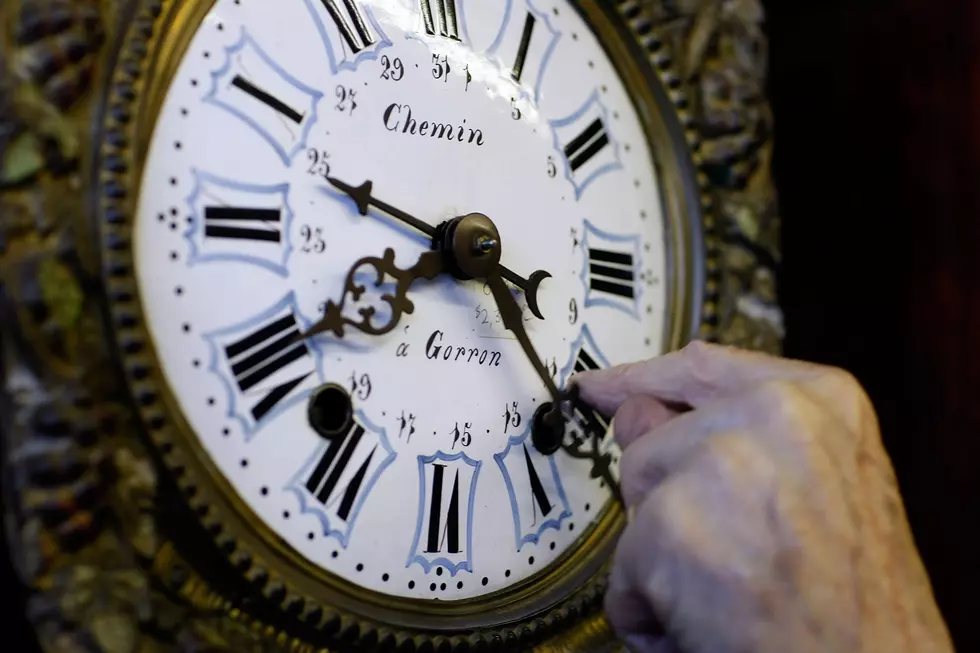
Congress Wants to Stop Changing the Clocks
The Sunshine Protection Act passed the U.S. House of Representatives back in July by a pretty overwhelming vote of 308–117.
The idea is simple. Instead of changing our clocks twice a year, we’d stay on Daylight Saving Time permanently.
That would mean more daylight in the evening during winter, something I imagine plenty of people around the Treasure Valley would appreciate.

President Trump has been pushing the Senate to approve the legislation, but there’s a disagreement over which time we should keep.
Some lawmakers want permanent Daylight Saving Time, giving us more daylight after work. Others want permanent Standard Time because they’re concerned about kids heading to school in the dark.
And that’s where things have stalled.
READ MORE: Eagle Costco Plans Canceled Near Highway 55

Idaho Has Already Tried to Make a Change
Back in 2020, Idaho passed a law that would allow the northern part of our state, which operates on Pacific Time, to adopt permanent Daylight Saving Time if Washington state does the same.
That includes communities like Coeur d’Alene and Lewiston. Meanwhile, Boise, Meridian, Nampa, and the rest of the Treasure Valley operate on Mountain Time.
Idaho lawmakers also considered legislation in 2025 that would have moved the state toward permanent Standard Time, but that proposal didn’t pass.
So, while Idaho has been looking at ways to eliminate the twice-yearly clock changes, we’re still waiting on a solution.

 Cory- Townsquare Media Boise
What Would This Actually Mean for Families in the Treasure Valley?
Here’s where things get interesting, especially if you’ve got kids heading off to school in the morning.
On December 21st, the shortest day of the year, the sun rises in Boise at approximately 8:15 a.m. and sets at 5:11 p.m. If we switched to permanent Daylight Saving Time, those times would change to sunrise at 9:15 a.m. and sunset: 6:11 p.m.
Think about that for a minute.
If you’re a parent getting your kids to school in Boise, Meridian, Nampa, or anywhere else in the Treasure Valley, they could be heading to class while it’s still completely dark outside. In fact, depending on when school starts, some kids could already be sitting in their classrooms before the sun even comes up.

On the flip side, imagine getting off work at 5 p.m. in December and actually having some daylight left! You’d have a little more time to walk the dog, get outside with the kids, or just enjoy an evening without feeling like it’s already bedtime.
Of course, we’re not actually gaining or losing any daylight. We’re just moving it around on the clock and that’s really what this whole debate comes down to.
READ MORE: Treasure Valley Businesses That Closed in 2026
Could We Really Change Our Clocks Again This Month?
Technically, it’s possible. If Congress approves the Sunshine Protection Act and it’s signed into law with an immediate effective date, we could find ourselves moving our clocks forward again, even though we just moved them back.
But don’t start resetting everything just yet. The legislation remains stalled in the Senate, and congressional leaders have indicated that getting it passed before the end of the year will be difficult.
For now, our next scheduled clock change is Sunday, March 14, 2027.

What Would You Rather Have in Idaho?
Here’s what I’m curious about. Would you rather have an extra hour of daylight in the evening, even if that means darker mornings during the winter?
Or would you prefer keeping the earlier sunrise and having it get dark sooner?
Personally, I think the biggest thing most people can agree on is that changing the clocks twice a year has gotten pretty old.
If Idaho could pick one time and stick with it, which would you choose: permanent Daylight Saving Time or permanent Standard Time?
